Creating Standout LA Self-Tape Auditions

In today’s fast-paced entertainment world, self-tape auditions have become a crucial part of the casting process, especially in Los Angeles. If you want to make a lasting impression, you need to go beyond just recording yourself reading lines. I’ve learned that creating standout self-tape auditions in LA requires a mix of preparation, technical know-how, and a bit of creativity. Let me walk you through some practical tips and insights that will help you shine in your next self-tape.
Why LA Self-Tape Auditions Are a Game Changer
Los Angeles is the heart of the entertainment industry, and casting directors here receive hundreds of submissions for every role. Self-tape auditions give you the chance to showcase your talent without geographical limits. But with so many actors submitting tapes, how do you make yours stand out?
The key is to treat your self-tape like a mini-performance, not just a quick video. This means paying attention to everything from your acting choices to the technical quality of your tape. When you nail these elements, you increase your chances of catching a casting director’s eye.
Here are some essential tips to help you create a professional and memorable self-tape:
Prepare your material thoroughly: Know your lines and character inside out.
Choose the right location: Find a quiet, well-lit space with a neutral background.
Use good equipment: A decent camera or smartphone, tripod, and external microphone can make a big difference.
Dress appropriately: Wear something that fits the character but avoid distracting patterns.
Follow submission guidelines: Always check the casting call for specific instructions.
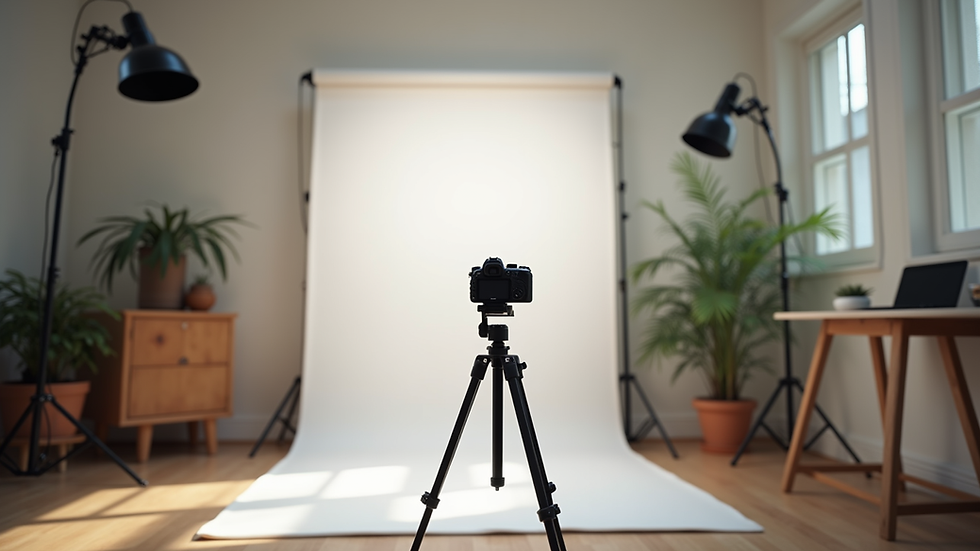
Setting Up for Success: The Essentials of LA Self-Tape Auditions
Creating a standout self-tape starts with your setup. You don’t need a Hollywood studio, but you do need to look professional and polished. Here’s how to get your space ready:
Lighting
Natural light is your best friend. Position yourself facing a window to get soft, even lighting on your face. Avoid harsh shadows or backlighting, which can make you hard to see. If natural light isn’t available, invest in affordable softbox lights or ring lights to brighten your space evenly.
Background
Keep your background simple and uncluttered. A plain wall or a subtle, neutral backdrop works best. Avoid anything that might distract the viewer, like busy patterns, posters, or clutter. This helps casting directors focus on your performance.
Camera and Framing
Use a tripod or stable surface to keep your camera steady. Frame yourself from the chest up, leaving some space above your head. Make sure the camera is at eye level to create a natural and engaging connection with the viewer.
Sound
Clear audio is just as important as good visuals. Use an external microphone if possible, or record in a quiet room to minimize background noise. Test your sound before recording to ensure your voice is crisp and easy to understand.
Mastering Your Performance on Tape
Your acting is the heart of your self-tape, so give it the attention it deserves. Here are some ways to bring your best to the screen:
Warm up: Do vocal and physical warm-ups to get into character.
Read the directions carefully: Follow any specific instructions about slate, sides, or format.
Slate confidently: Introduce yourself clearly and professionally at the start of your tape.
Be natural: Act as if you’re in the room with the casting director. Avoid overacting or underplaying.
Use eye contact wisely: Look slightly off-camera if the scene calls for it, or directly into the lens for monologues.
Do multiple takes: Record several versions and choose the best one, but don’t overdo it—authenticity matters.
Remember, your self-tape is your chance to show who you are as an actor. Let your personality and unique qualities shine through.

Tips for Editing and Submitting Your Self-Tape
Once you’ve recorded your performance, the next step is editing and submission. This part is often overlooked but can make a big difference in how your tape is received.
Editing Basics
Keep it simple: Trim the beginning and end to remove any unnecessary footage.
Add slate and sides: Include your slate (name, agent, role) and the scene sides as required.
Check audio and video sync: Make sure your voice matches your lip movements.
Use basic editing software: Programs like iMovie, Adobe Premiere Rush, or even smartphone apps can do the job.
File Format and Size
Follow the casting director’s instructions for file format and size. Common formats include MP4 or MOV. Avoid sending huge files that might be difficult to download. Compress your video if needed without sacrificing quality.
Naming Your File
Name your file clearly and professionally, usually with your name and the role or project title. For example: JaneDoe_RoleName_SelfTape.mp4.
Submitting Your Tape
When submitting your self-tape, double-check the submission guidelines. Some casting calls require you to upload your tape to a specific platform or email it directly. Make sure you meet deadlines and include all requested materials.
If you want to explore professional options, consider services that specialize in self tape audition los angeles. They can help you create high-quality tapes that meet industry standards without breaking the bank.
Staying Motivated and Growing Your Self-Tape Skills
Self-taping can feel challenging, especially when you’re just starting out. But with practice, you’ll get more comfortable and confident. Here are some ways to keep improving:
Watch your tapes critically: Look for areas to improve but be kind to yourself.
Ask for feedback: Share your tapes with trusted friends, coaches, or mentors.
Keep learning: Take acting classes focused on on-camera work and self-taping techniques.
Stay organized: Keep a folder of your best tapes and notes for future reference.
Be patient: Casting is competitive, but persistence pays off.
Remember, every self-tape is a step forward in your career. Celebrate your progress and keep pushing yourself to grow.
Your Next Steps Toward Self-Tape Success
Creating standout self-tape auditions in LA is all about preparation, professionalism, and passion. By setting up your space thoughtfully, delivering a genuine performance, and submitting your tape with care, you’ll increase your chances of landing that coveted callback.
If you want to take your self-tape game to the next level, consider partnering with experts who understand the unique demands of the LA casting scene. With the right support and mindset, you can turn every self-tape into an opportunity to showcase your talent and make a strong impression.
Keep practicing, stay positive, and remember - your next great role could be just one self-tape away!

Comments